ձագի դեղ
Old Armenian
FWOTD – 21 July 2020
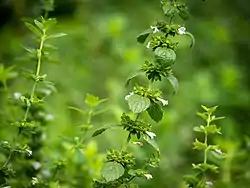
ձագի դեղ – Melissa officinalis
Etymology
From a post-classical genitive of ձագ (jag, “young of an animal; in modern dialects also swarm of bees”) + դեղ (deł, “herb”). For the sense development compare Turkish oğul otu (“lemon balm”), from oğul (“son; descendant; swarm of bees”) and ot (“grass, herb”). Note that the plant's scientific name Melissa is derived from the Greek word meaning "honeybee", owing to the abundance of nectar in the flower. See also ձագախոտ (jagaxot).
Noun
- lemon balm, Melissa officinalis
- 9th or 10th century, with changes and additions in later centuries, Tʿargmanutʿiwn dełocʿ zor əntrel en imastasērkʿn ew kargeal yayl lezuacʿ [A Medieval Arabic–Armenian Botanical Dictionary] :[1]
- Աթրունջան՝ ձագի դեղ (var. ձագի տեղ)։
- Atʿrunǰan, jagi deł (var. jagi teł).
- التُّرُنْجَان (at-turunjān) = jagi deł
- Աթրունջան՝ ձագի դեղ (var. ձագի տեղ)։
References
- Greppin, John A. C. (1997) A Medieval Arabic–Armenian Botanical Dictionary (Studien zur armenischen Geschichte; 16), a separate print of Greppin 1995, Vienna: Mekhitarist Press, § 3, pages 17–18
Further reading
- Ačaṙean, Hračʿeay (1977), “ձագ”, in Hayerēn armatakan baṙaran [Armenian Etymological Dictionary] (in Armenian), volume III, 2nd edition, a reprint of the original 1926–1935 seven-volume edition, Yerevan: University Press, page 141a
- Ališan, Ġewond (1895), “ձագի դեղ”, in Haybusak kam haykakan busabaṙutʿiwn [Armenian Botany] (in Armenian), Venice: S. Lazarus Armenian Academy, § 1763, page 381
This article is issued from Wiktionary. The text is licensed under Creative Commons - Attribution - Sharealike. Additional terms may apply for the media files.